


The true test of the BIOFIN initiative will be its ability to translate high-level financial planning into tangible, life-changing benefits for rural communities.
Zimbabwe has a long history of community-based natural resource management, notably through the pioneering CAMPFIRE (Communal Areas Management Programme for Indigenous Resources) model. However, subsequent challenges highlighted the need for more direct and transparent financial flows to communities. BIOFIN seeks to address this by ensuring that the finance solutions are people-centred.
- Livelihood Diversification: Through initiatives like bio-trade, communities are empowered to earn a living from wild resources without depleting them. For example, the sustainable harvesting and ethical market access for honey, baobab, and herbal teas provide families with income to pay school fees, improve homes, and invest in local infrastructure.
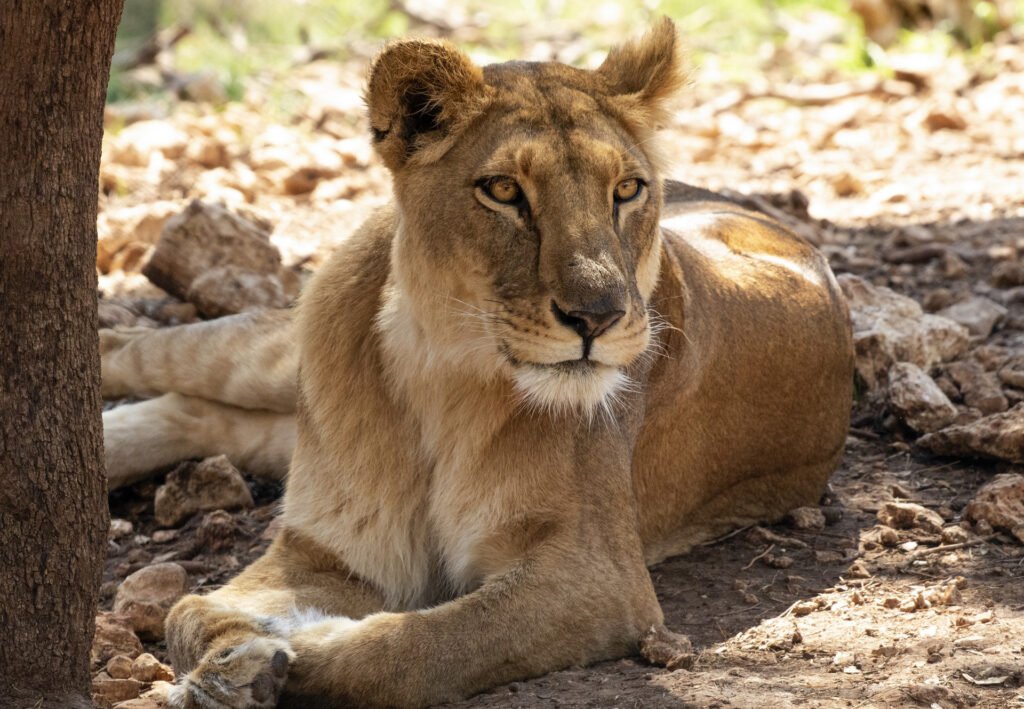
- Conservation Custodianship: By creating robust revenue streams linked directly to the health of an ecosystem, the programme provides local men and women with a tangible stake in the success of conservation. This transforms the relationship between people and wildlife from conflict to coexistence, notably helping to manage challenges like human-wildlife conflict by enabling communities to fund protective measures.
- Youth and Women Empowerment: The design of the finance plan explicitly promotes the participation of women and youth in new green jobs and value chains, recognizing their vital role as custodians and beneficiaries of nature.
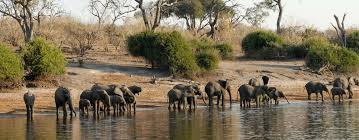
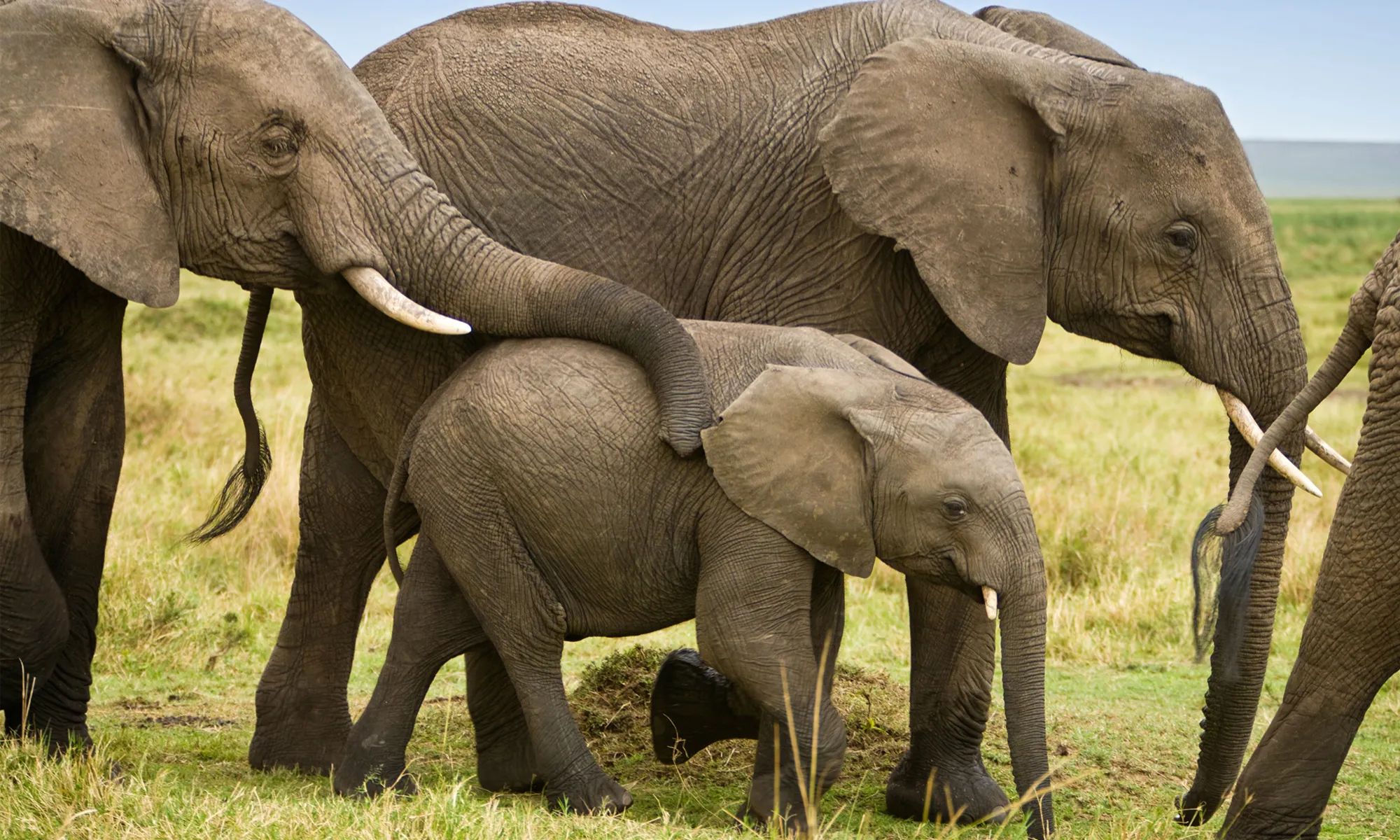
As Zimbabwe continues to bear the financial burdens of managing critical wildlife populations, such as elephants whose numbers often exceed the ecological carrying capacity of certain areas, unlocking the responsible, sustainable value of these natural assets is not merely about profit—it is about providing the essential funding required to protect species and empower the frontline communities who live alongside them.
The BIOFIN launch marks a fundamental shift: a national commitment to systematically budget, invest, and innovate for nature, setting the stage for a decade of resilient economic growth built upon the country’s most precious asset—its natural capital. The success of this ambitious plan will determine whether Zimbabwe’s rivers continue to flow, its forests continue to breathe, and its children inherit a country richer, not poorer, in natural wealth.














Leave a Reply