


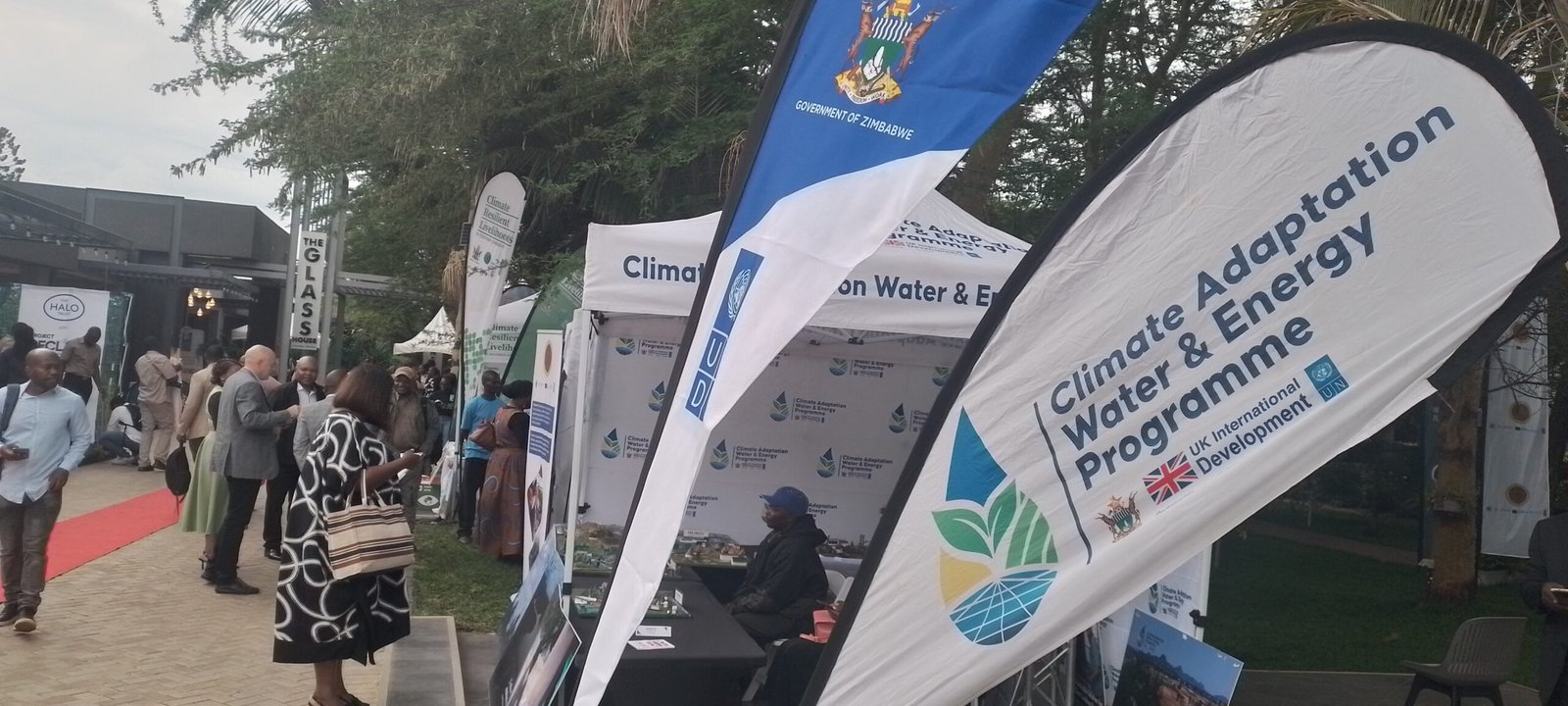
As Zimbabwe grapples with increasingly severe climate shocks, including debilitating droughts and devastating cyclones, the United Nations Development Programme (UNDP) is significantly ramping up its investment and focus on Sustainable Development Goal 13 (SDG 13): Climate Action. The upcoming Country Programme Document (CPD) for 2025 is expected to solidify this commitment, positioning climate resilience and green transition as a core pillar of UNDP’s strategy in the country.
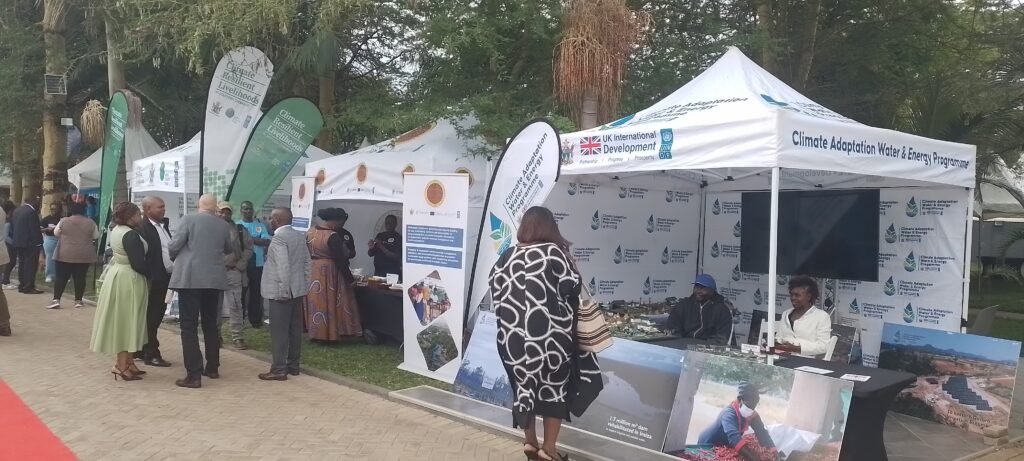
A hard-news evaluation of recent outcomes shows substantial progress in key sectors, particularly in energy, agriculture, and ecosystem management, but highlights a persistent need for scalable, predictable financing to meet the country’s vast adaptation requirements.
By Francis S. Bingandadi Editor: Moto Magazine
Investment and Outcomes: A Focus on ResilienceUNDP’s investment in climate action is strategically targeted at both mitigation (reducing greenhouse gas emissions) and adaptation (building resilience to climate impacts), directly addressing the core targets of SDG 13.1.
Renewable Energy and Mitigation (SDG 7 & 13)A significant chunk of investment has been channeled into establishing clean energy infrastructure, which directly reduces the reliance on fossil fuels and wood fuel, a major driver of deforestation.Solarisation of Social Infrastructure: UNDP has led the installation of solar power systems in over 1,073 health facilities across Zimbabwe.1
This cumulative power capacity, estimated at nearly 14 megawatts (MW), ensures critical medical services remain operational, especially in remote areas during power outages caused by extreme weather.Green Village Model: The commissioning of projects like the Hakwata Green Village, featuring solar mini-grids, biogas installations, and solar home systems, demonstrates a scalable model for providing sustainable energy to rural communities, which is vital for both climate mitigation and improving quality of life.
Climate-Smart Agriculture (Adaptation)Given that agriculture is the backbone of Zimbabwe’s economy and highly vulnerable to climate change, a key outcome has been the expansion of Climate-Smart Agriculture (CSA) practices:Farmer Outreach: Over 540,000 smallholder farmers have been reached and trained in CSA practices, which include water harvesting, conservation farming, and diversification of livelihoods.
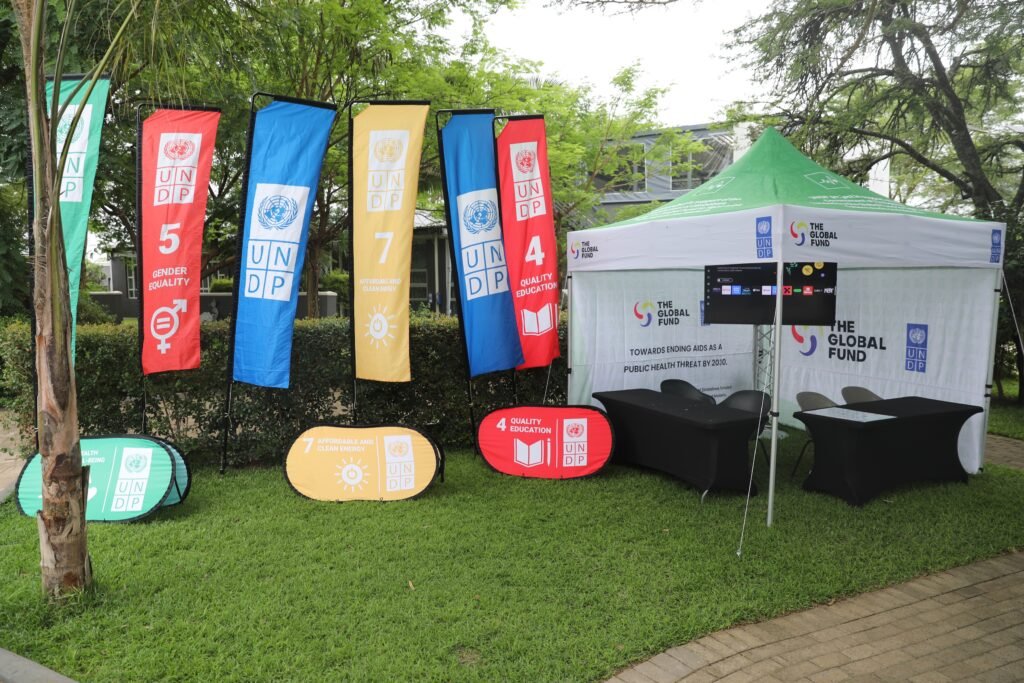
This has directly impacted over 2.3 million people, proving the value of investing in anticipatory measures.Irrigation and Water: Support for climate-proofed irrigation, such as the Masholomoshe Irrigation Scheme with its solar-powered pivot systems, has brought precision irrigation to vital farmlands. This enhances food security and builds resilience against recurring droughts.
Early Warning: The provision of tailored weather advisories to nearly 194,000 people has improved community preparedness, a key measure under SDG 13.1.43. Ecosystem Management and Carbon SequestrationThrough projects like the GEF-6 Zambezi Valley initiative, UNDP has delivered measurable environmental outcomes:Carbon Aversion: The programmes have resulted in the mitigation of an estimated 1.65 million tonnes of $\text{CO}_2$ equivalent, primarily through improved forest and land management.
Biodiversity Protection:
Approximately 300,000 hectares of land have been successfully put under sustainable management, leading to the reversal of wildlife poaching trends and the stabilization of animal populations in critical ecological zones.
Looking to CPD 2025: Programmatic Shift and FinancingThe forthcoming UNDP CPD 2025 is set to build on these successes by adopting a more programmatic and integrated approach to climate action, moving beyond isolated projects.
Integrated Policy: Climate action is not treated in isolation but is integrated across the CPD’s pillars (e.g., green jobs under Economic Transformation and resilience under Environmental Protection). This cross-sectoral approach aims to mainstream climate considerations into national policies and development planning (SDG 13.2).
Innovative Financing: Acknowledging the severe constraint of limited public sector financing and the high cost of climate inaction—which could erode up to 12% of GDP annually—the CPD framework prioritizes identifying and leveraging innovative financing models.
Research supported by UNDP on strategies like debt-for-climate swaps is being used to catalyze investment and mobilize private capital for large-scale adaptation and mitigation efforts.Enhanced Partnerships: The future strategy emphasizes strengthening coordination mechanisms with the Ministry of Energy and other development partners to amplify renewable energy investments and scale up effective climate-smart technologies.
The Funding Challenge:
Scaling Up AdaptationDespite the demonstrable success in building resilience, the key challenge remains financing the full scale of adaptation required for a climate-vulnerable nation.The World Bank’s recent analysis highlights that while the cost of adaptation is less than 1% of GDP, and every dollar invested in early measures saves up to $16, Zimbabwe’s ability to finance these actions is constrained by macroeconomic instability and limited access to international climate finance.
The UNDP’s future role, as outlined in the CPD 2025, will be critical in assisting the government to unlock and channel these vital resources to protect development gains and fulfill the promise of SDG 13 for its most vulnerable populations.UNDP’s Climate Investment: Zimbabwe’s Push for SDG 13 Resilience Under CPD 2025.









Leave a Reply